
What Do Sagging Floors & Structural Movement Mean?
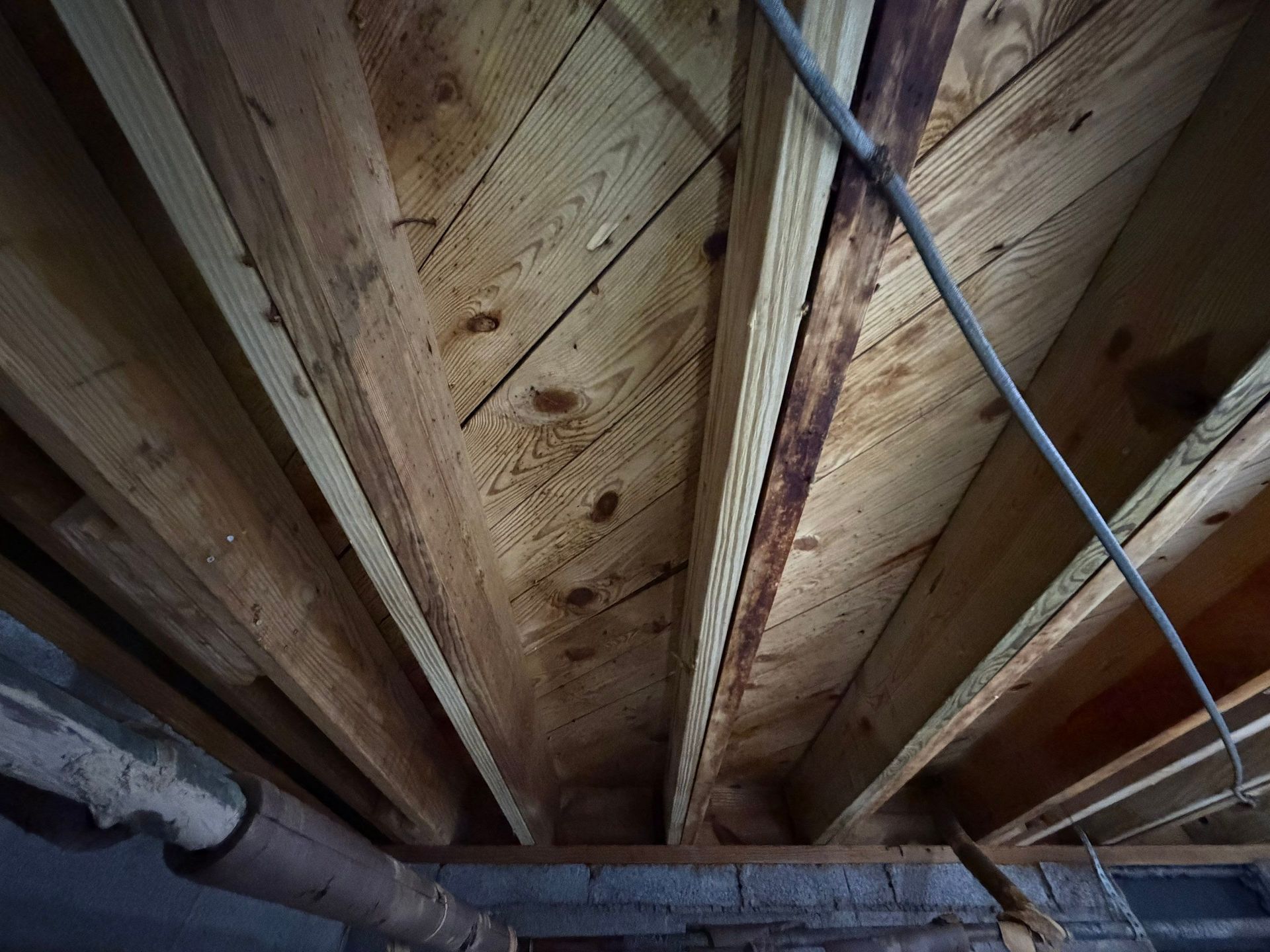
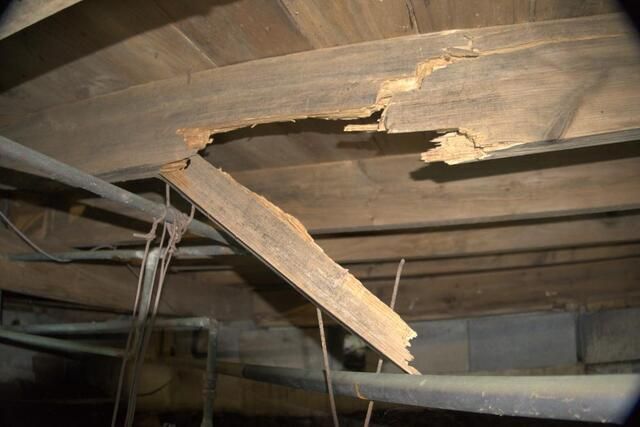
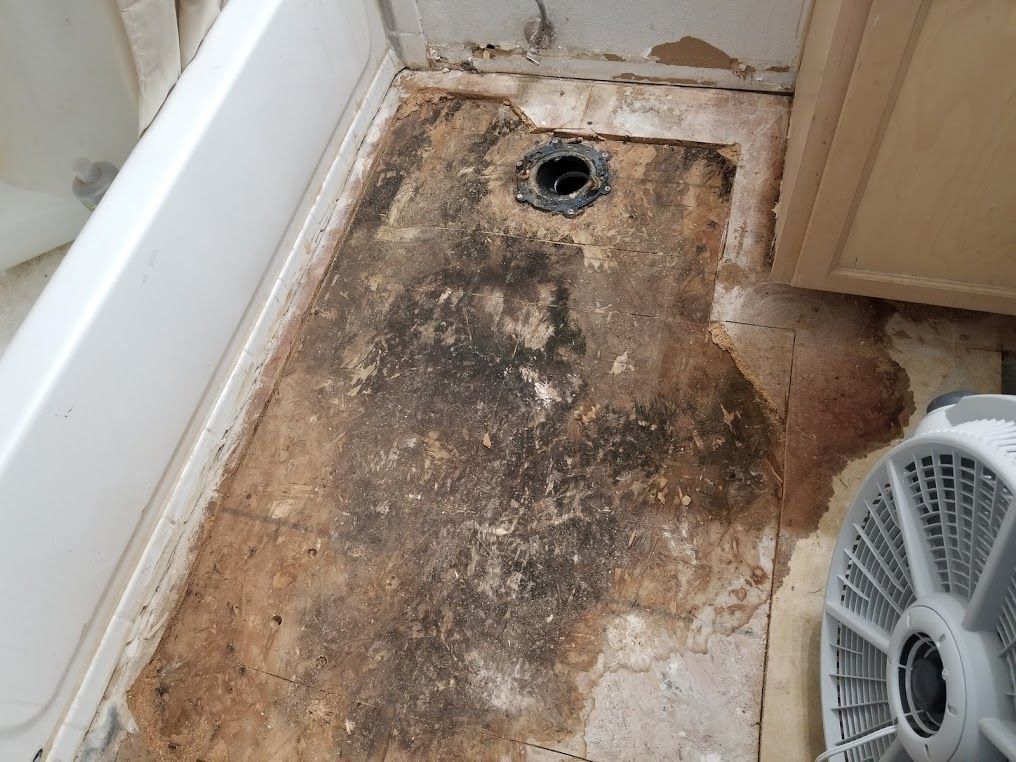
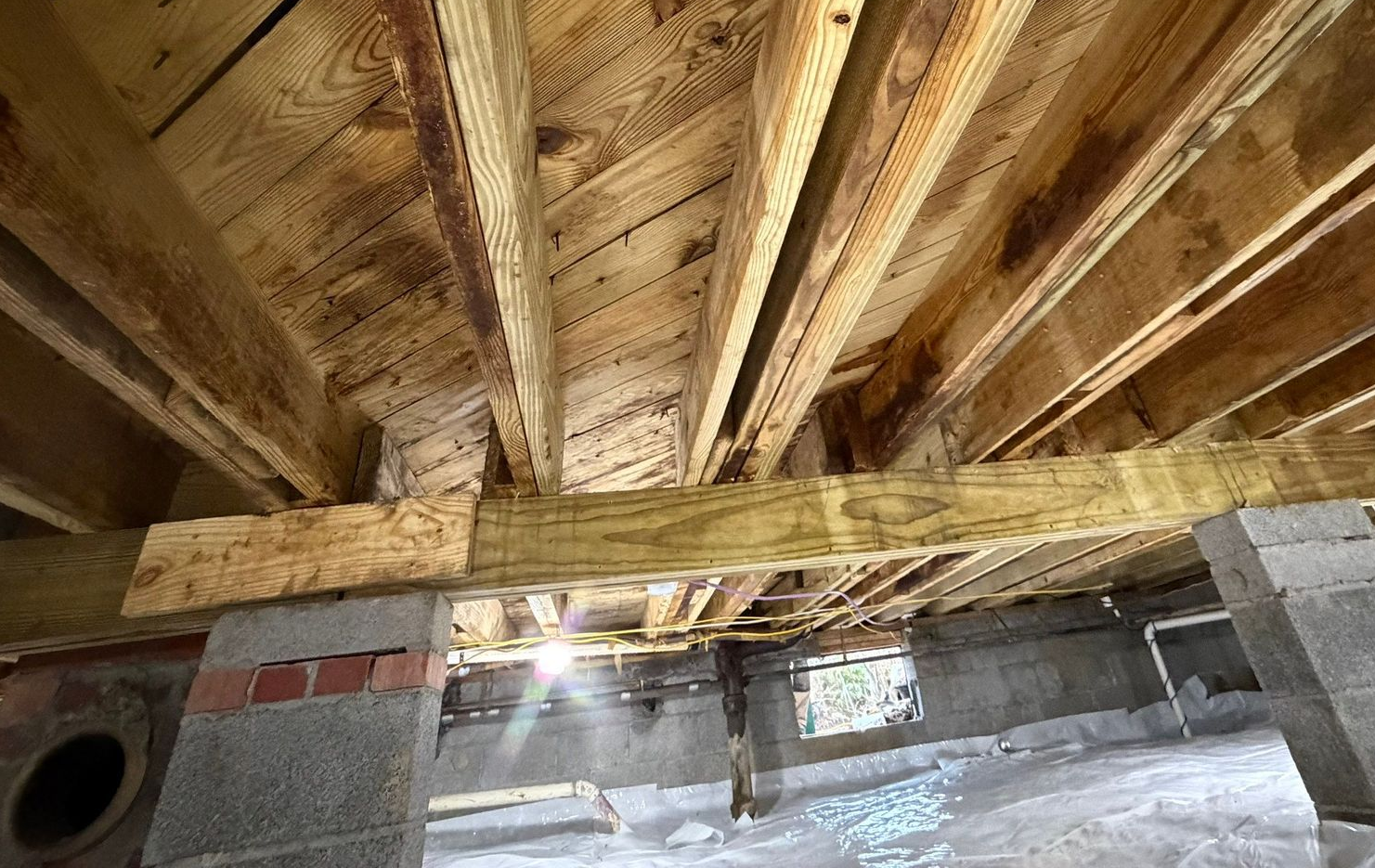
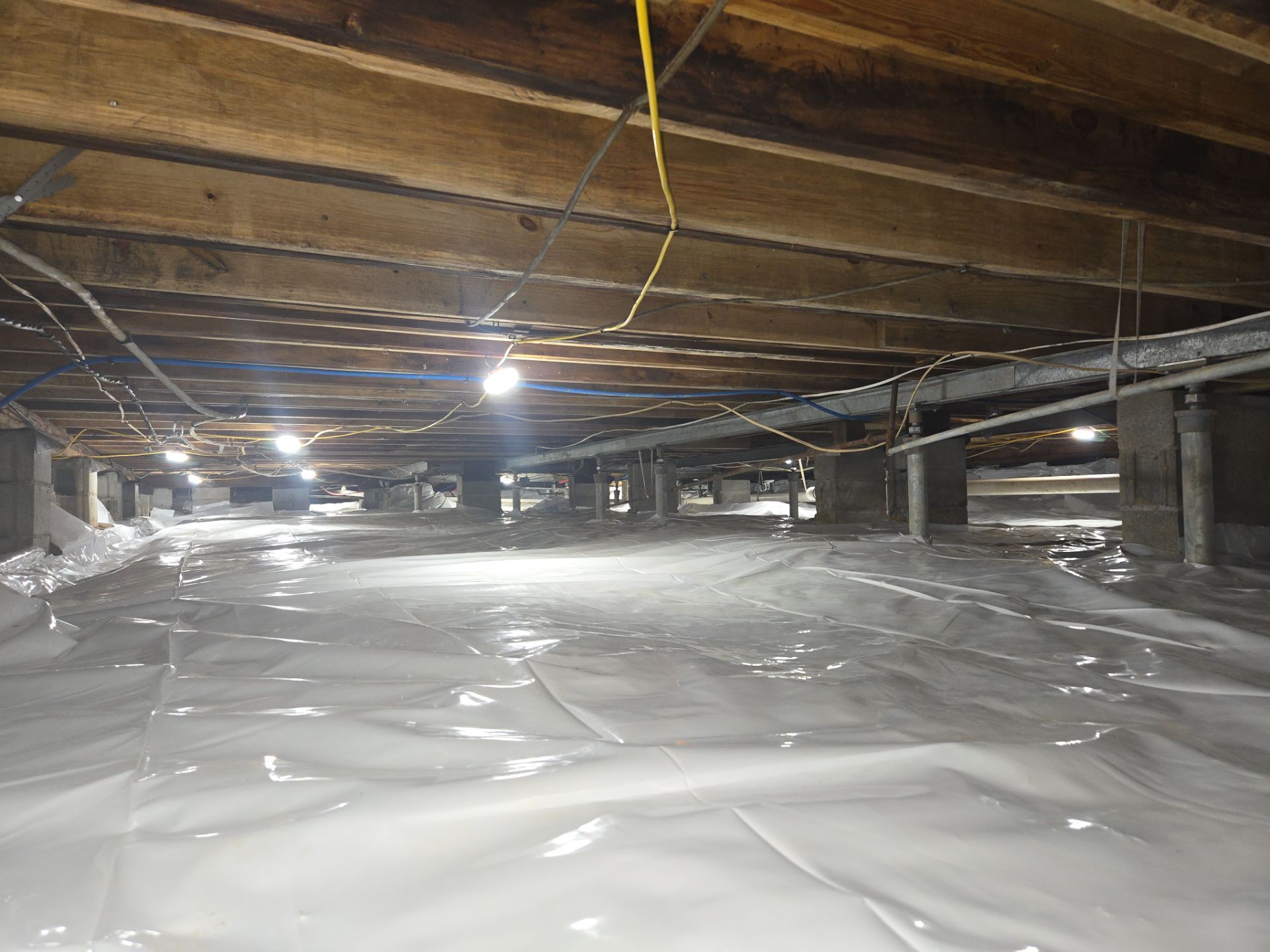
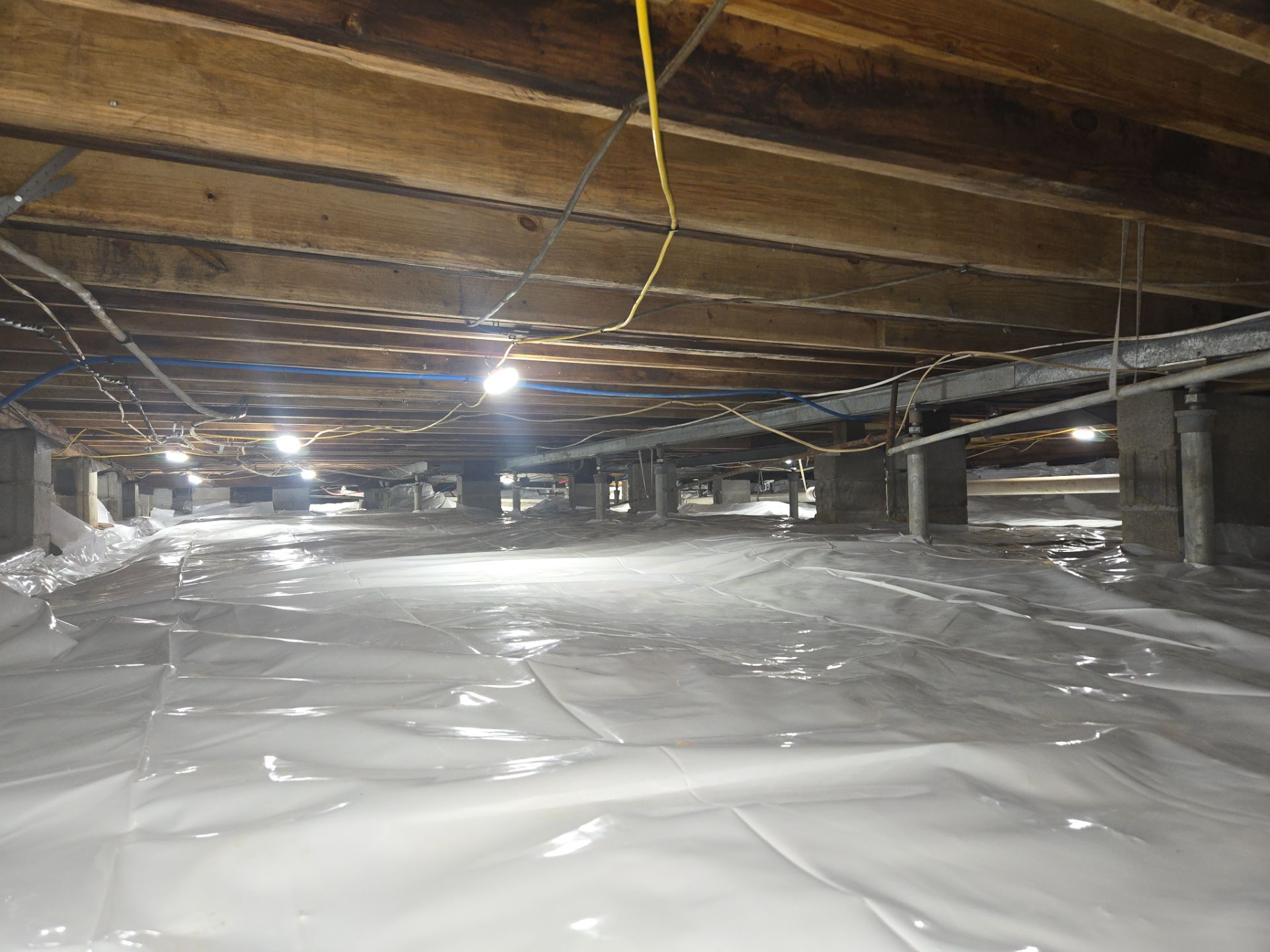
Sagging or uneven floors indicate movement in the crawl space structure beneath the home. This can be caused by weakened floor joists, damaged beams, or long-term moisture exposure.
In many homes, floor movement develops slowly over time as wood framing loses strength or compresses. Identifying the cause of the structural issue is critical before attempting any repair.
What Are Signs Of Floor Sagging or Unevenness?
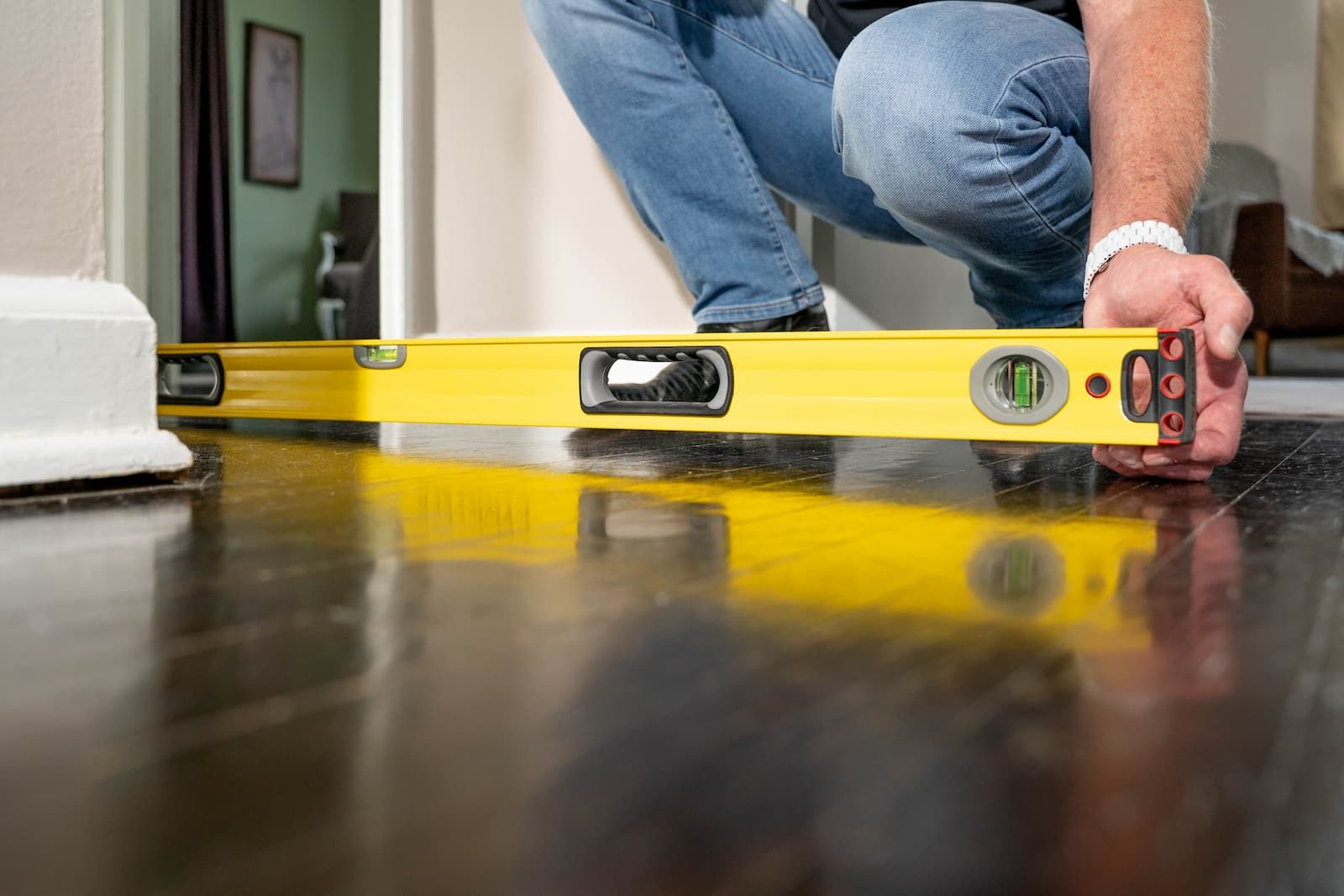
Floor movement is often noticeable when walking through the home or when furniture and doors begin to shift. These changes usually indicate underlying crawl space structural problems.
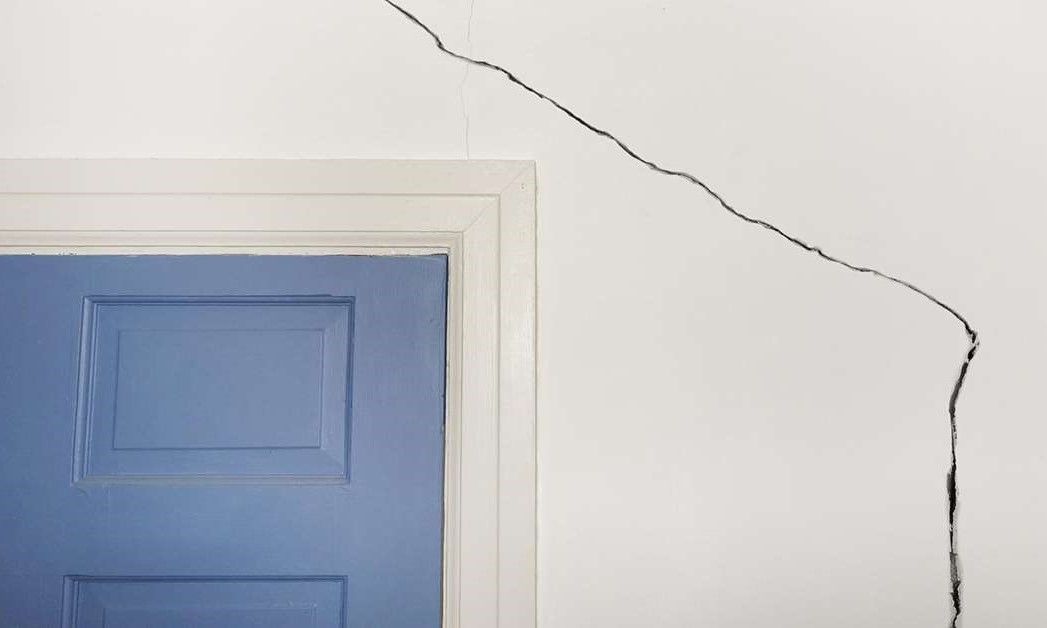
Common signs include sloping floors, soft or uneven areas, doors and windows sticking, and gaps or cracks forming in walls. These symptoms often worsen over time if the underlying issue is not corrected.
What Causes Sagging Floors In Your Home?
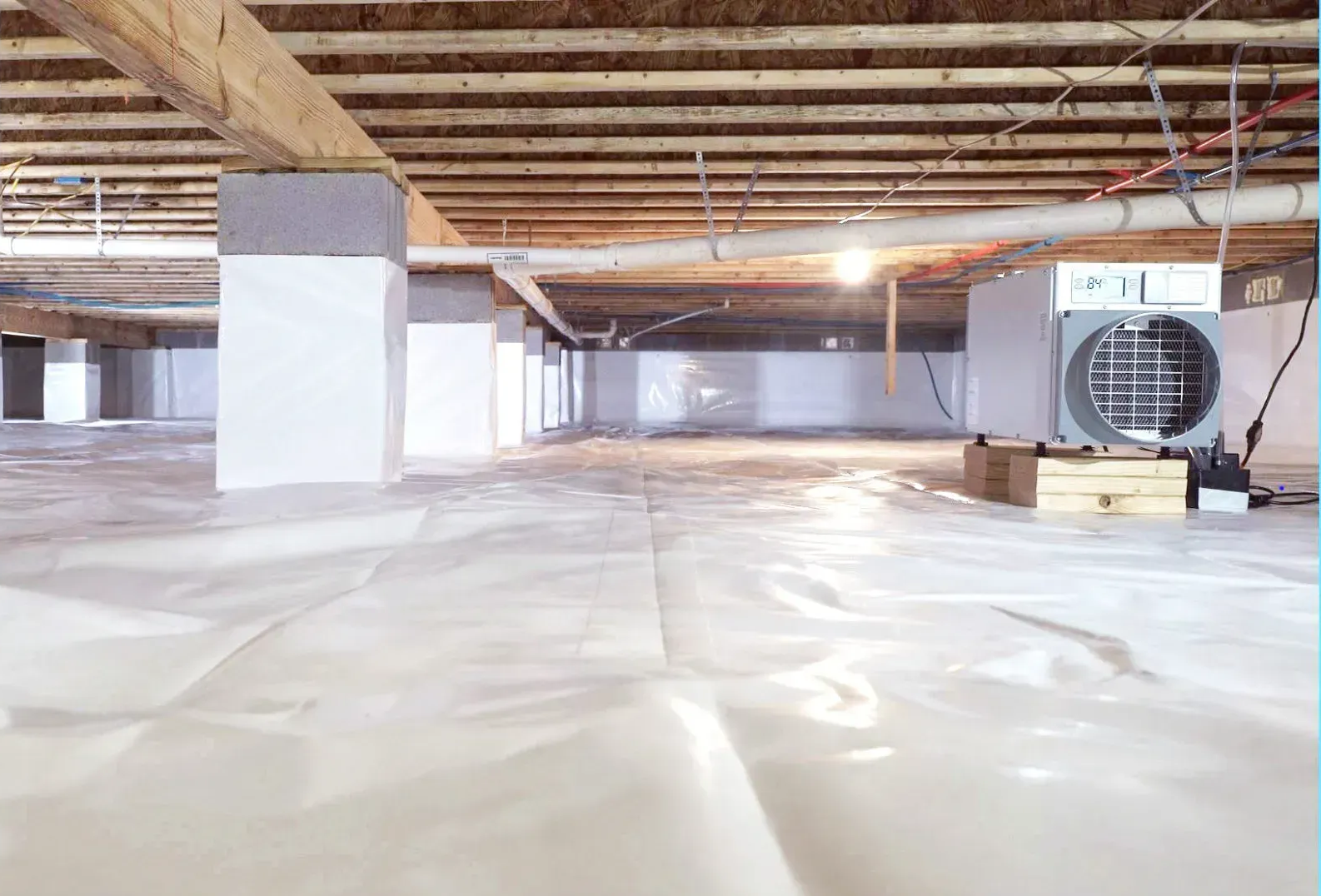
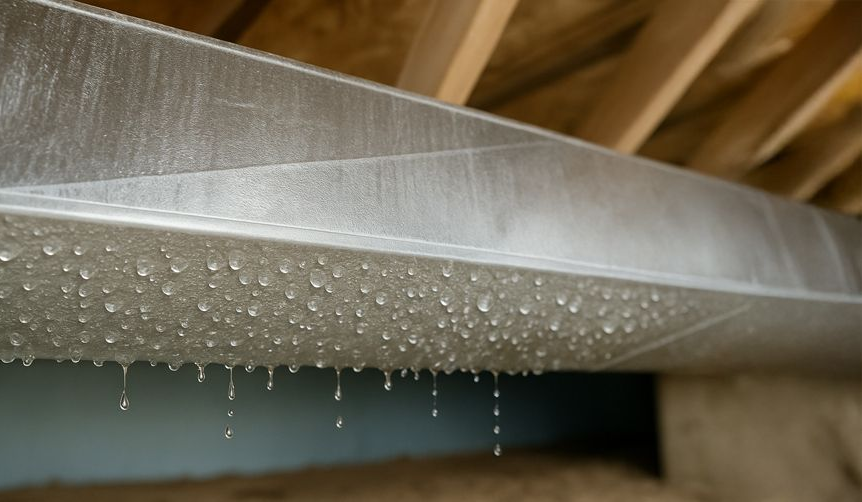
Sagging floors are most commonly caused by moisture damage, wood rot, or structural design factors. In Coastal Virginia, crawl space humidity and condensation are major contributors to long-term wood deterioration.
When moisture is present, floor joists and beams can weaken or compress under load. In other cases, long spans or load-bearing walls can place stress on framing, leading to sagging or uneven floors.
Why Do Some Floor Repairs Fail?
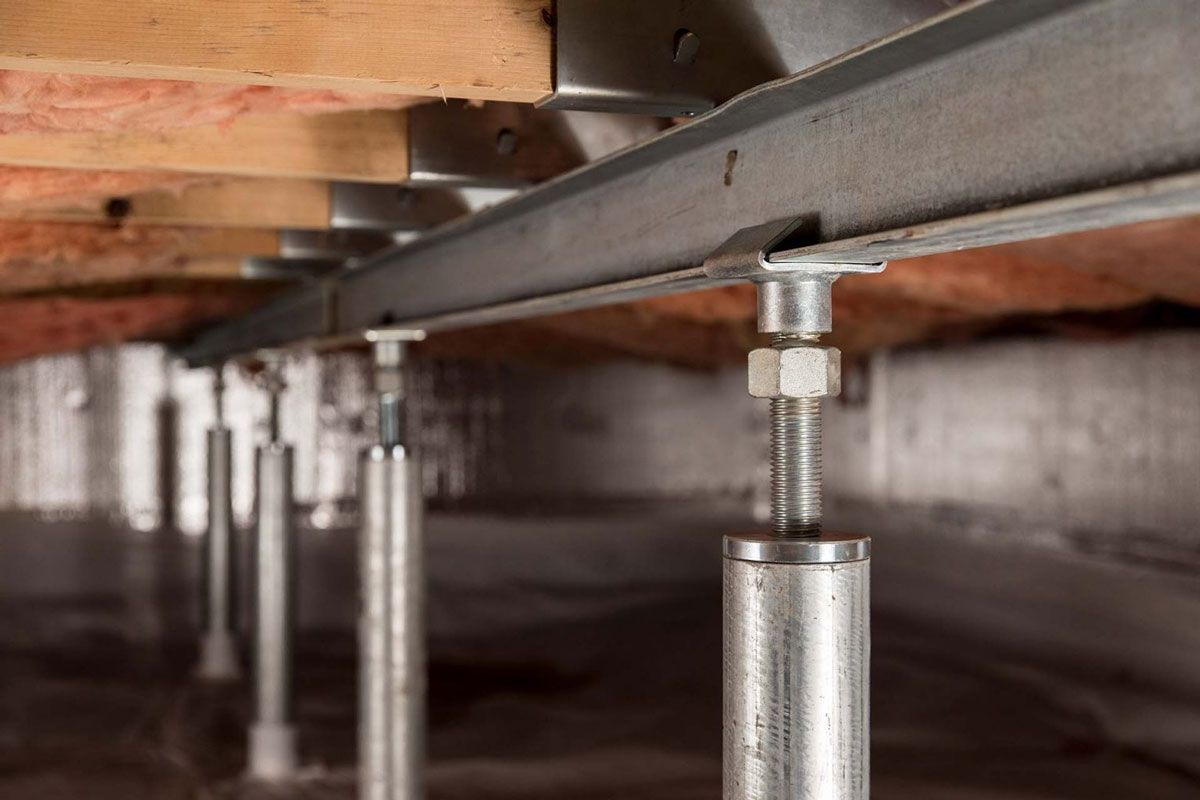
Many floor repair methods focus on lifting the floor instead of repairing the structure. Installing jacks alone may temporarily raise the floor but does not correct damaged or weakened framing.
If moisture or structural damage is not addressed, the problem will continue over time. Floor sagging will return as the underlying conditions remain unchanged.
How Do We Repair Sagging Floors?
The correct approach to sagging floor repair starts with identifying the cause of the structural movement. Each home requires a repair plan based on moisture conditions, framing condition, and load distribution.
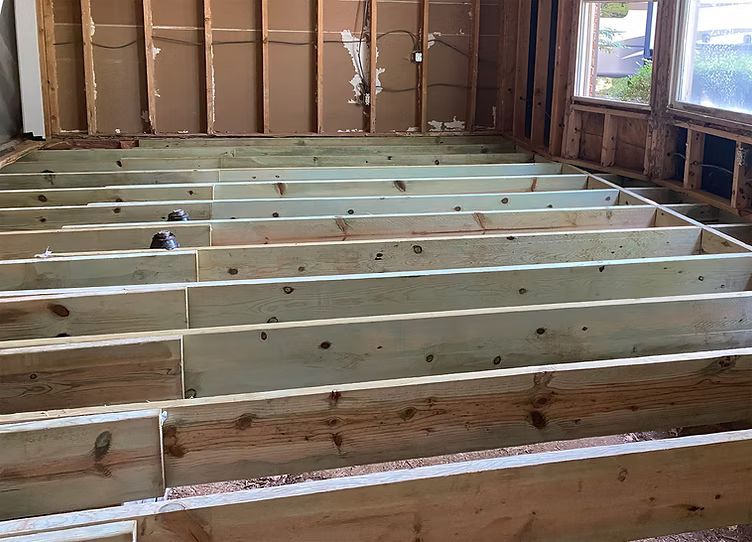
In most cases, this includes sistering floor joists, replacing damaged beams, and installing proper structural support where needed. If moisture is present, it must be corrected to ensure the repair lasts.
What Happens During A Crawl Space Inspection?
The first step in solving any crawl space problem is identifying the source of moisture, water intrusion, or structural damage. Every inspection is performed by the owner, a Class A licensed contractor with over 25 years of crawl space and structural repair experience.
We do not send commissioned salespeople or recommend one-size-fits-all solutions. Each crawl space inspection includes a full evaluation of moisture, drainage, and structural conditions, along with photos and a clear plan tailored to your home.
Why Do Homeowners Choose Patriot Crawl Space Repairs?
Homeowners choose our company because we specialize in engineer-supported sagging floor repair solutions designed around the structural conditions affecting existing Hampton Roads homes. Our company evaluates framing performance, moisture-related wood deterioration, long-term deflection, load distribution, and crawl space structural movement beneath older coastal Virginia homes.
As crawl space structural engineering and existing building repair experts, we design practical long-term structural repair solutions focused on restoring floor stability, protecting structural framing, and improving long-term building performance beneath the home.
Sagging Floor Repair & Structural Stabalization Experts
In this video, Robbie McCarty explains how sagging floor repairs, framing reinforcement, and structural stabilization systems are used to restore long-term floor performance beneath Hampton Roads homes.
Frequently Asked Questions
What causes sagging or uneven floors?
Sagging floors are commonly caused by weakened floor joists, moisture damage, wood rot, undersized framing, settling supports, or long-term wood creep over time. In crawl space homes, moisture problems are often a major part of the issue.
Are sagging floors a structural problem?
Sometimes yes, sometimes no. Some floors have minor dips from normal settling or wood movement, while others involve damaged or overloaded framing that should be repaired. A proper inspection should determine whether the issue is cosmetic, structural, or moisture related.
Can crawl space moisture cause floors to sag?
Absolutely. Excess moisture can weaken floor joists, girders, subfloors, and support posts over time. We see many sagging floor problems that started with long-term crawl space humidity or water intrusion.
Do sagging floors always need support jacks?
No. Support jacks are useful in some situations, but they are not the answer for every floor problem. In many homes, sistering joists, repairing damaged framing, reinforcing beams, or correcting moisture issues may make more sense than simply adding adjustable jacks everywhere.
Can sagging floors be lifted back level?
Sometimes. Minor to moderate sagging can often be improved, but the amount of lift depends on the age of the home, how long the floor has sagged, the framing condition, and the risk of damaging finishes like drywall or tile. The goal is usually structural improvement first, not forcing the house perfectly level overnight.
How do you repair sagging floors?
The repair depends on what is causing the movement. Solutions may include structural wood repair, joist sistering, beam reinforcement, new support posts or jacks, moisture control, drainage improvements, or replacing damaged framing. A good repair plan should address the root cause — not just temporarily push the floor upward.
How does the process work?
Every crawl space structural repair starts with a proper diagnosis. Here's what to expect when you contact Patriot Crawl Space Repairs.
Step 1 — Schedule a Free Inspection
Call us at (757) 960-3231 or submit a request online. We'll schedule a time that works for you, usually within a few days.
Step 2 — Owner-Led Crawl Space Evaluation - Owner Robbie McCarty personally inspects your crawl space. He evaluates drainage conditions, water entry points, moisture levels, structural damage, and overall crawl space performance. No salespeople. No commissioned reps.
Step 3 — Photos, Findings, and a Clear Plan - You receive photos of what we found, a written explanation of the problem, and an itemized scope of work with pricing. We explain what needs to be fixed, why, and in what order — so you can make an informed decision.
Step 4 — No Pressure
We don't push same-day decisions. You get time to review the plan, ask questions, and decide what's right for your home. Financing is available through Acorn Financial if needed.
Step 5 — Professional Repair by Our Crew
All work is performed by our own background-checked employees — not subcontractors. We handle drainage installation, moisture control, and any structural repairs as a licensed Class A contractor.