Should Your Worry About Mold In Your Crawl Space?
Mold in a crawl space forms when excess moisture and humidity remain trapped beneath the home. This is a common crawl space moisture problem in Coastal Virginia, especially in homes with poor ventilation or drainage.
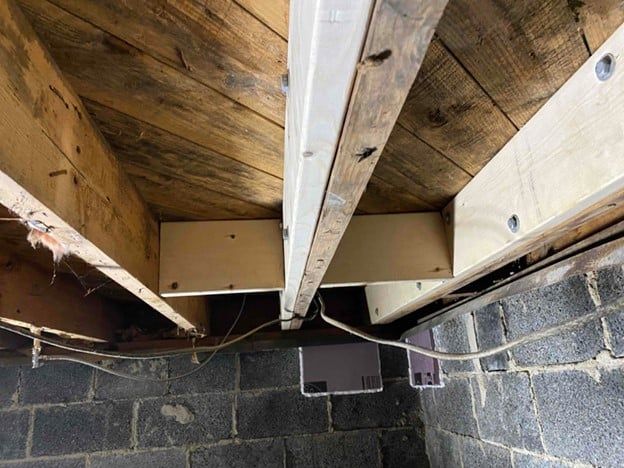
If not corrected, crawl space mold can spread to insulation, ductwork, and wood framing. The first step is identifying and correcting the moisture conditions that allow mold to grow before performing any mold remediation.
What Are Signs Of Mold In Your Crawl Space?
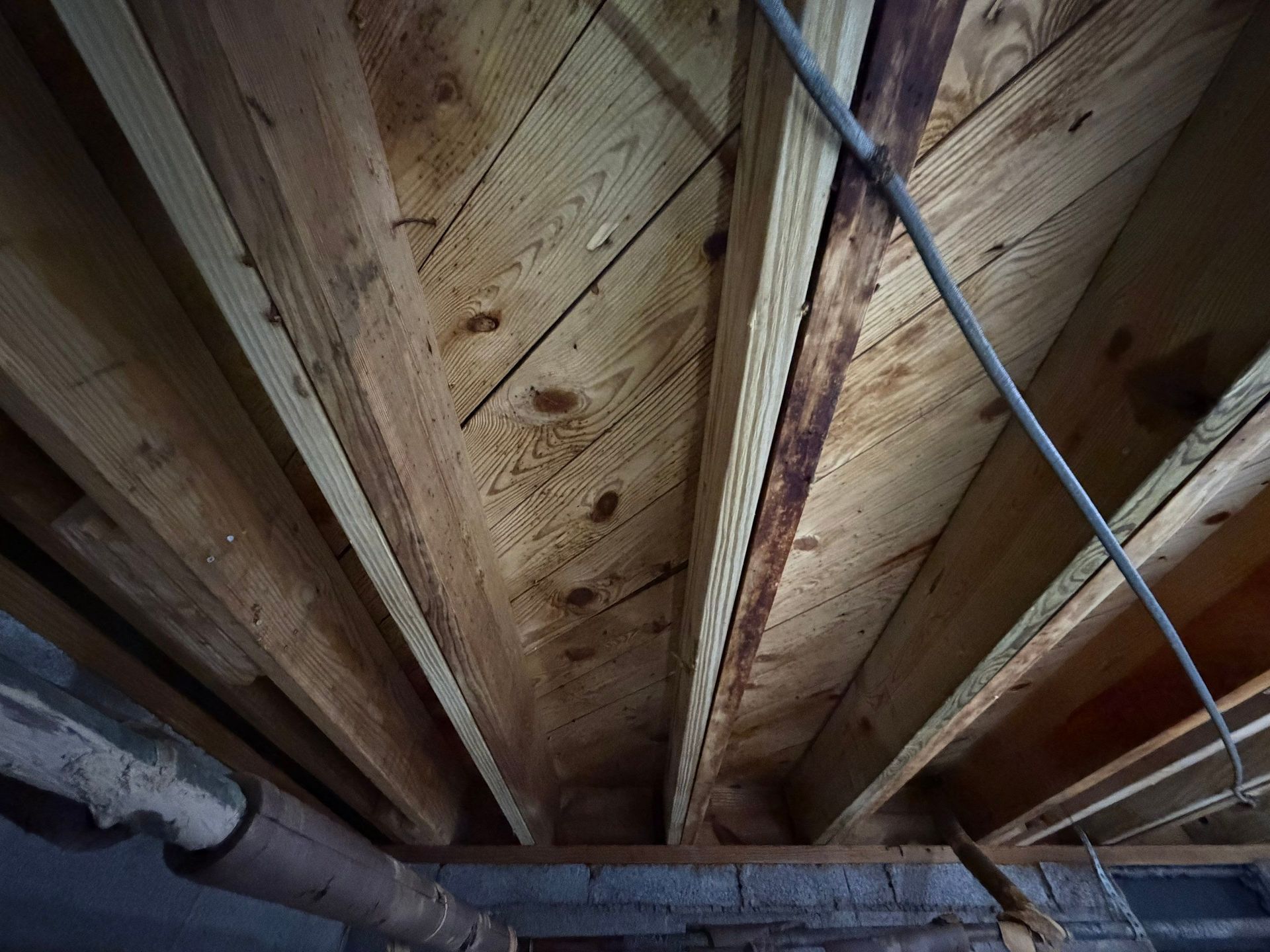
Mold is not always immediately visible, but there are clear signs of crawl space mold problems. These conditions often indicate ongoing moisture and humidity issues beneath the home.
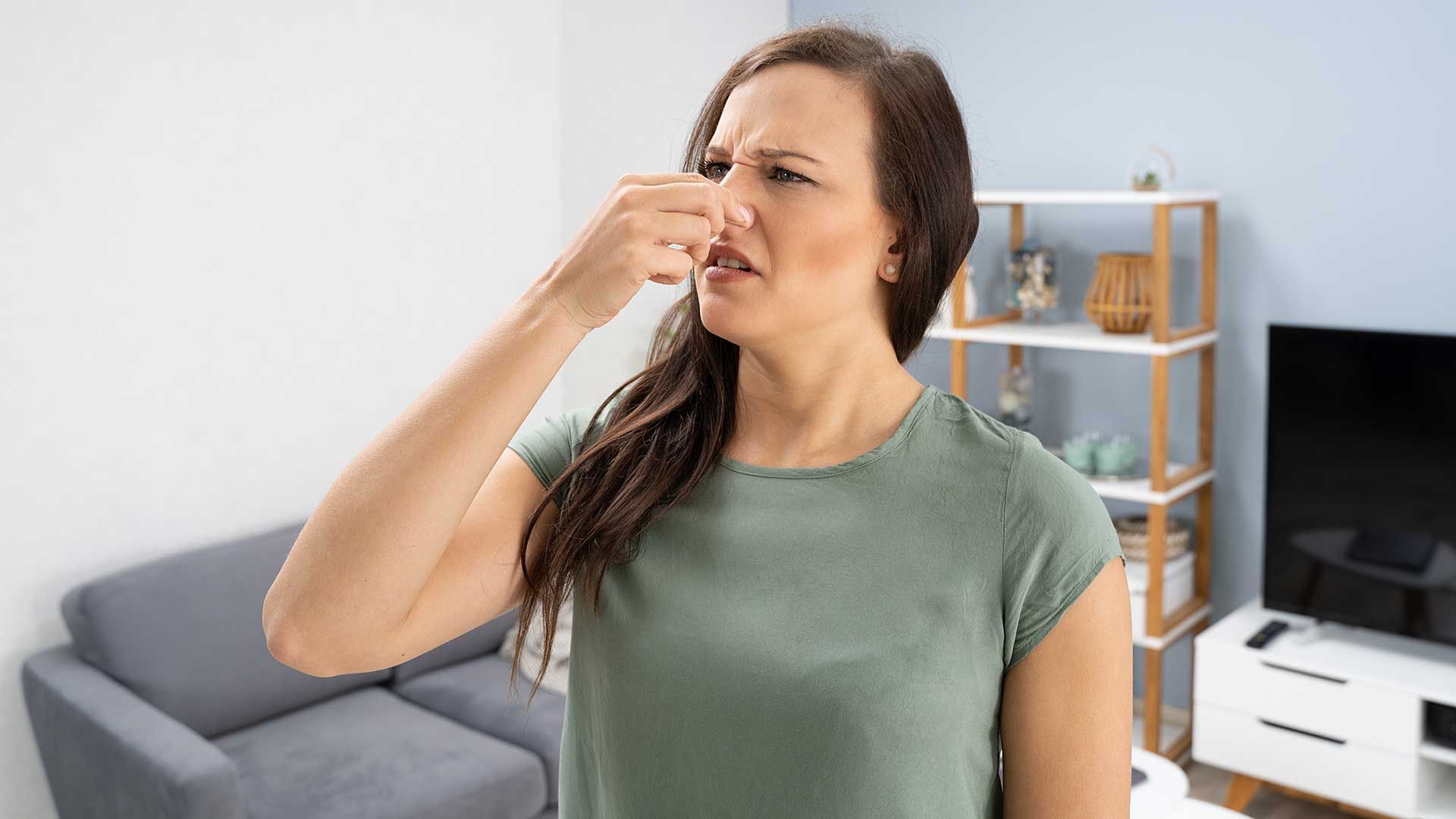
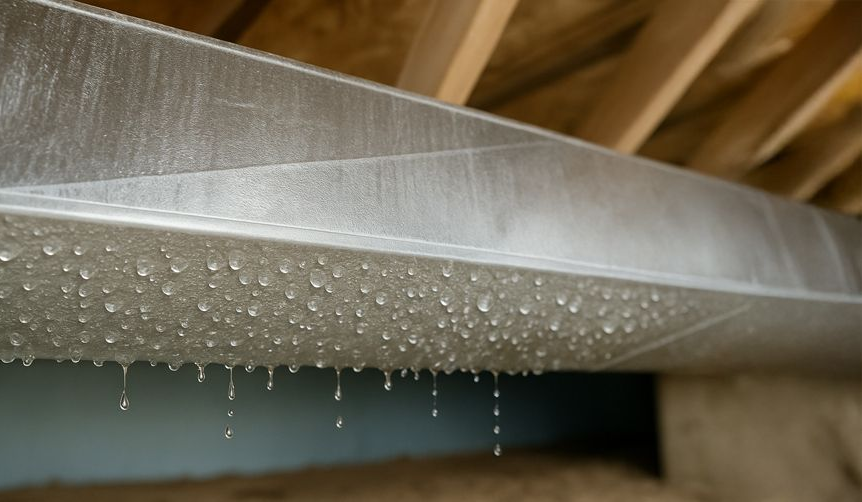
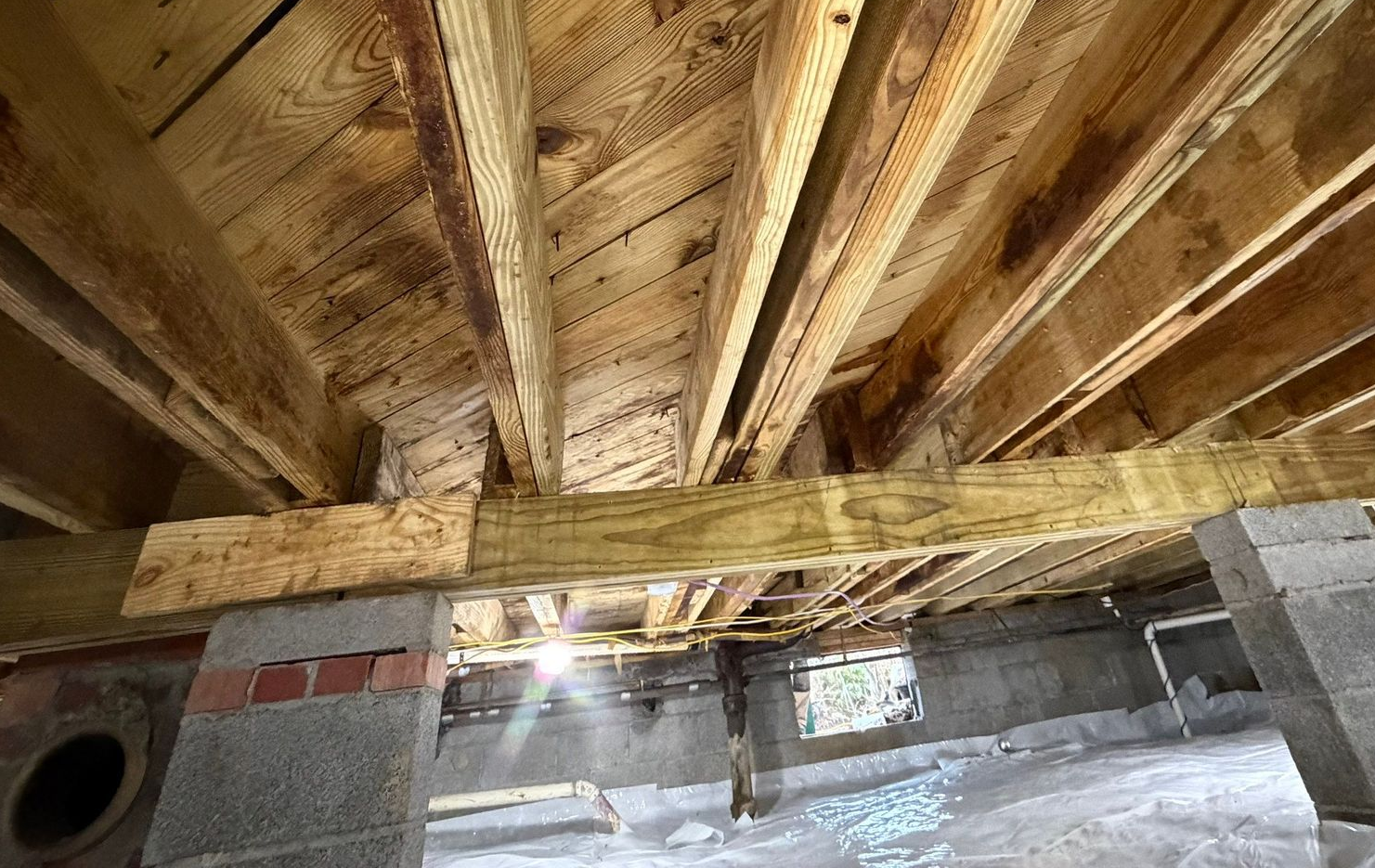
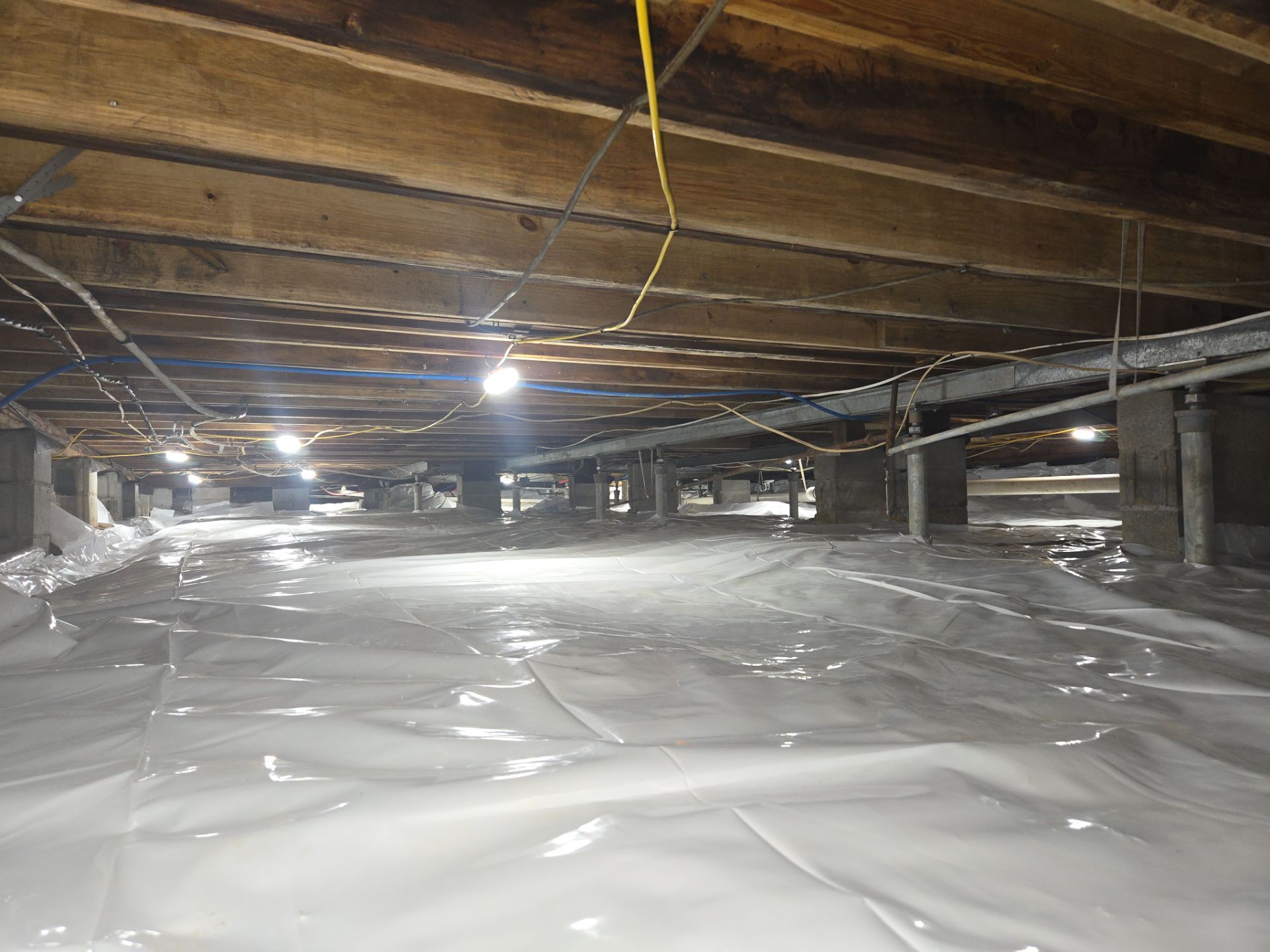
Common signs include musty odors inside the house, visible mold on wood or surfaces, moldy insulation, and condensation on ductwork. In many cases, ducts and insulation develop mold faster than wood due to temperature differences and trapped moisture.
What Causes Crawl Space Mold?
Crawl space mold is caused by excess moisture and high humidity levels beneath the home. In Hampton Roads, crawl spaces are especially prone to moisture buildup due to warm, humid air and ground moisture.
Common causes include crawl space condensation, poor drainage, groundwater intrusion, and unsealed vents. When moisture is not controlled, mold can grow on insulation, ductwork, and structural wood components.
Why Do Some Mold Treatments Fail?
Many crawl space mold treatments rely on spraying chemicals without correcting the moisture conditions that caused the mold. Spray-only treatments may help prevent wood rot, but don't remove the mold already on the wood.
Mold will continue to grow if humidity and moisture are not controlled. Crawl space mold remediation must remove the mold itself and the underlying moisture problem to be effective long-term.
What Is Correct Crawl Space Mold Remediation?
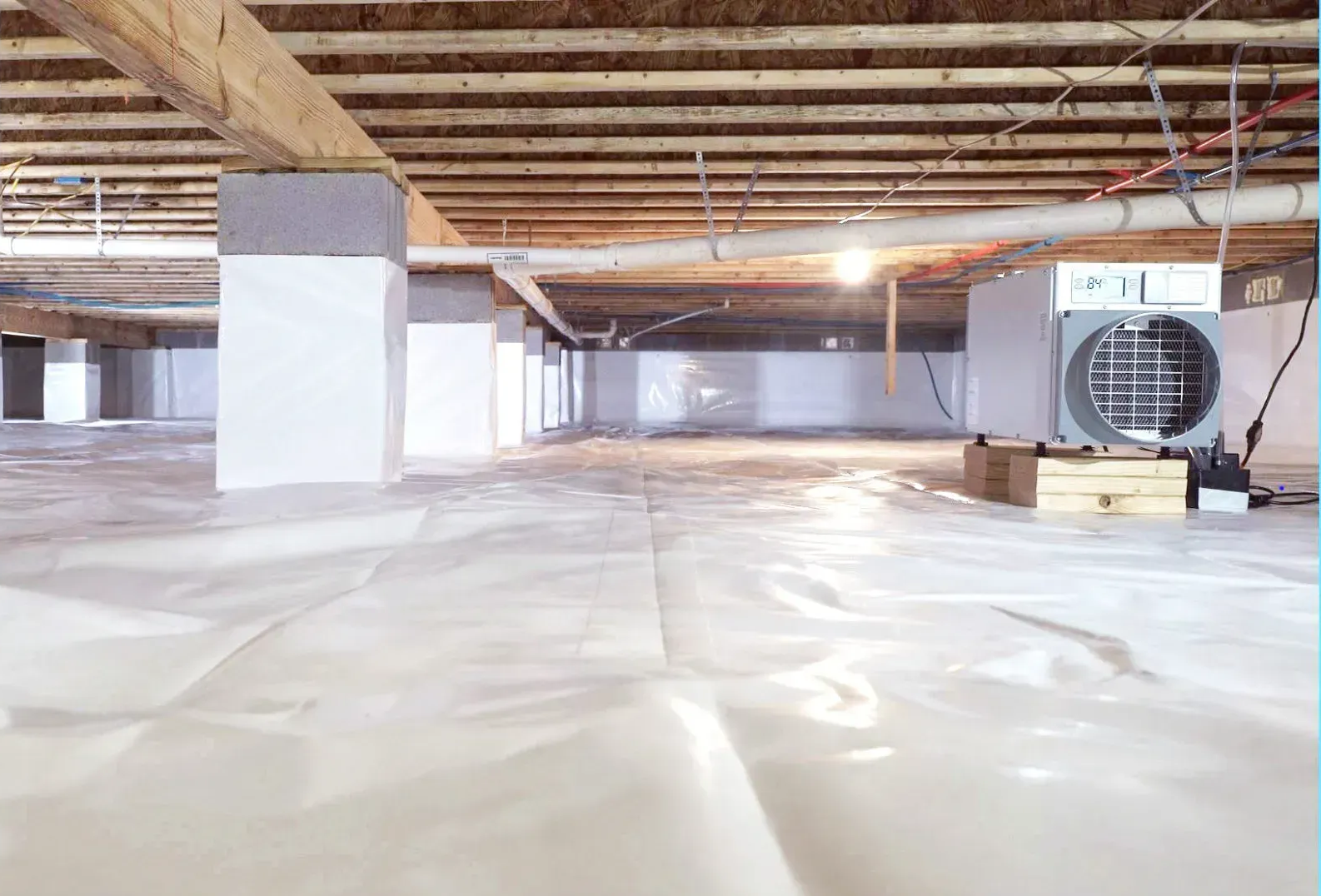
The correct approach to crawl space mold remediation starts with identifying the source of moisture. Each crawl space requires a plan that addresses both mold removal and moisture control.
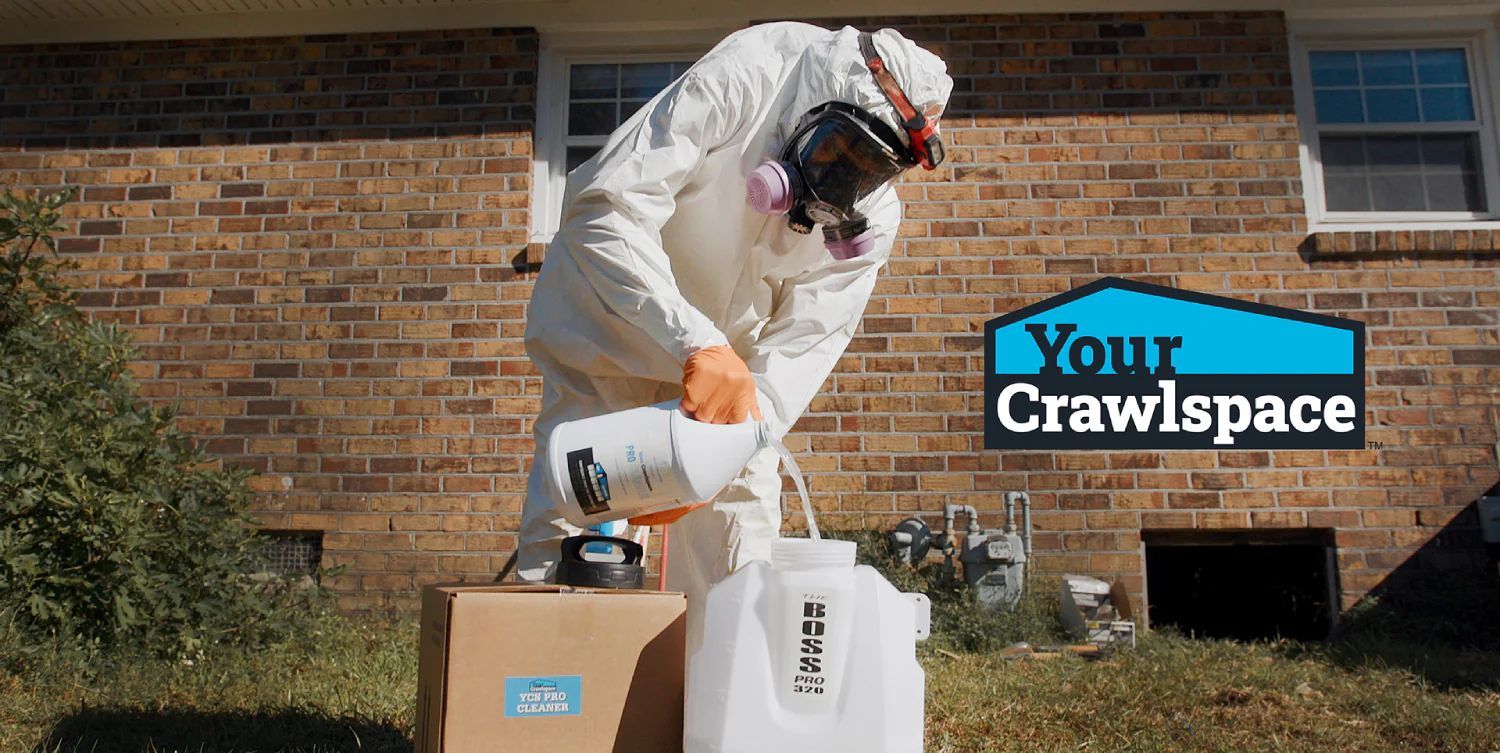
Our process includes applying a YCS Pro Cleaner solution followed by a physical wipe-down of wood framing and accessible surfaces. We also evaluate ductwork and insulation, since these materials often develop mold faster than wood and may require cleaning or replacement.
What Happens At A Crawl Space Inspection?
The first step in fixing crawl space mold is identifying the source of moisture and humidity beneath the home. A proper crawl space inspection evaluates drainage, airflow, insulation, and structural conditions.
We perform contractor-led crawl space inspections focused on diagnosing moisture and mold conditions. We're a MICRO certified mold remediation contractor. You will receive a clear explanation of the problem and the correct remediation and moisture control approach.
Why Do Homeowners Choose Patriot Crawl Space Repairs?
Homeowners choose our company because we combine MICRO certified crawl space mold remediation with advanced moisture and mold science analysis designed around long-term crawl space performance. Our company specializes in diagnosing the humidity, groundwater, airflow, and moisture conditions allowing mold growth to develop beneath Hampton Roads homes.
Rather than simply spraying visible mold, we evaluate the underlying environmental conditions affecting the crawl space so remediation plans address both contamination removal and long-term mold prevention beneath the home.
Crawl Space Mold Remediation Experts
In this video, Robbie McCarty explains how crawl space mold remediation and moisture control systems work together to address mold growth, elevated humidity, and long-term crawl space environmental conditions beneath Hampton Roads homes.
Frequently Asked Questions
Is mold in a crawl space dangerous?
Mold in a crawl space can affect indoor air quality and may contribute to musty odors, allergy symptoms, and respiratory irritation in some people. It can also indicate an underlying moisture problem that may eventually damage wood framing and other materials under the home.
What causes mold in a crawl space?
Mold grows when excessive moisture and humidity are present over long periods of time. Common causes include poor drainage, high humidity, plumbing leaks, standing water, wet insulation, condensation on ductwork, and inadequate moisture control in the crawl space.
Can mold in a crawl space spread into the home?
Yes. Air from the crawl space can move upward into the living area through gaps around plumbing, ductwork, wiring, and flooring. If the crawl space has mold, moisture, or musty odors, those conditions can often affect the air inside the home as well.
Does all crawl space mold need to be removed?
Not always. Some minor surface staining may not require aggressive remediation, while active mold growth and moisture-related contamination usually should be addressed. The most important step is correcting the moisture source causing the mold in the first place.
How is crawl space mold removed?
Proper mold remediation may include removing contaminated insulation or debris, physically cleaning affected wood surfaces, applying antimicrobial treatments, improving drainage, lowering humidity levels, and installing moisture-control systems to help prevent future growth.
Will crawl space mold return after remediation?
It can if the moisture problem is not properly corrected. Mold remediation without addressing drainage, humidity, leaks, or standing water is often only a temporary fix. Long-term moisture control is the key to preventing mold from returning.
How Does The Process Work?
Every crawl space mold problem starts with a proper diagnosis. Here's what to expect when you contact Patriot Crawl Space Repairs.
Step 1 — Schedule a Free Inspection
Call us at (757) 960-3231 or submit a request online. We'll schedule a time that works for you, usually within a few days.
Step 2 — Owner-Led Crawl Space Evaluation - Owner Robbie McCarty personally inspects your crawl space. He evaluates drainage conditions, water entry points, moisture levels, structural damage, and overall crawl space performance. No salespeople. No commissioned reps.
Step 3 — Photos, Findings, and a Clear Plan - You receive photos of what we found, a written explanation of the problem, and an itemized scope of work with pricing. We explain what needs to be fixed, why, and in what order — so you can make an informed decision.
Step 4 — No Pressure
We don't push same-day decisions. You get time to review the plan, ask questions, and decide what's right for your home. Financing is available through Acorn Financial if needed.
Step 5 — Professional Repair by Our Crew
All work is performed by our own background-checked employees — not subcontractors. We handle drainage installation, moisture control, and any structural repairs as a licensed Class A contractor.