What Does Crawl Space Encapsulation Do?
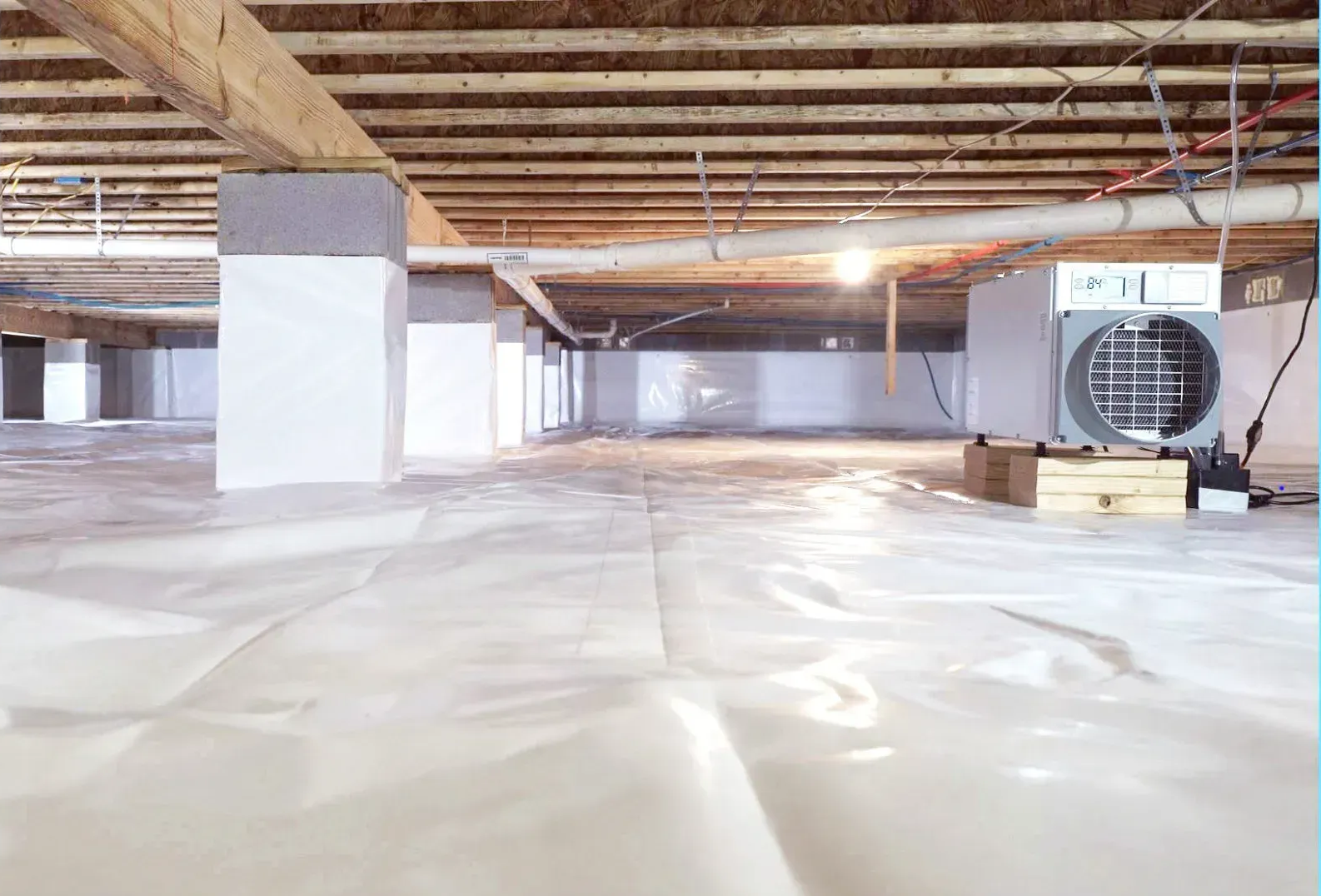
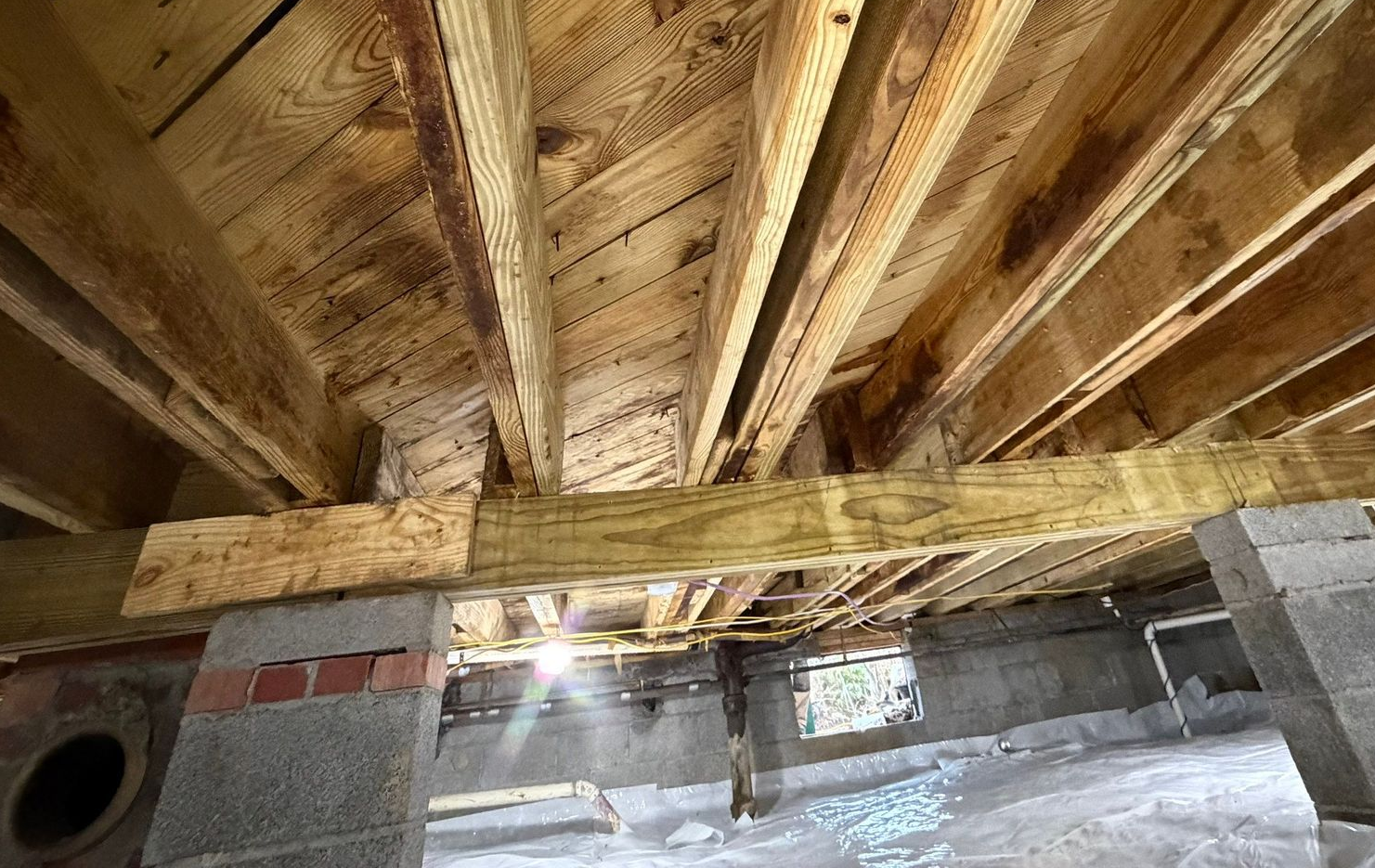
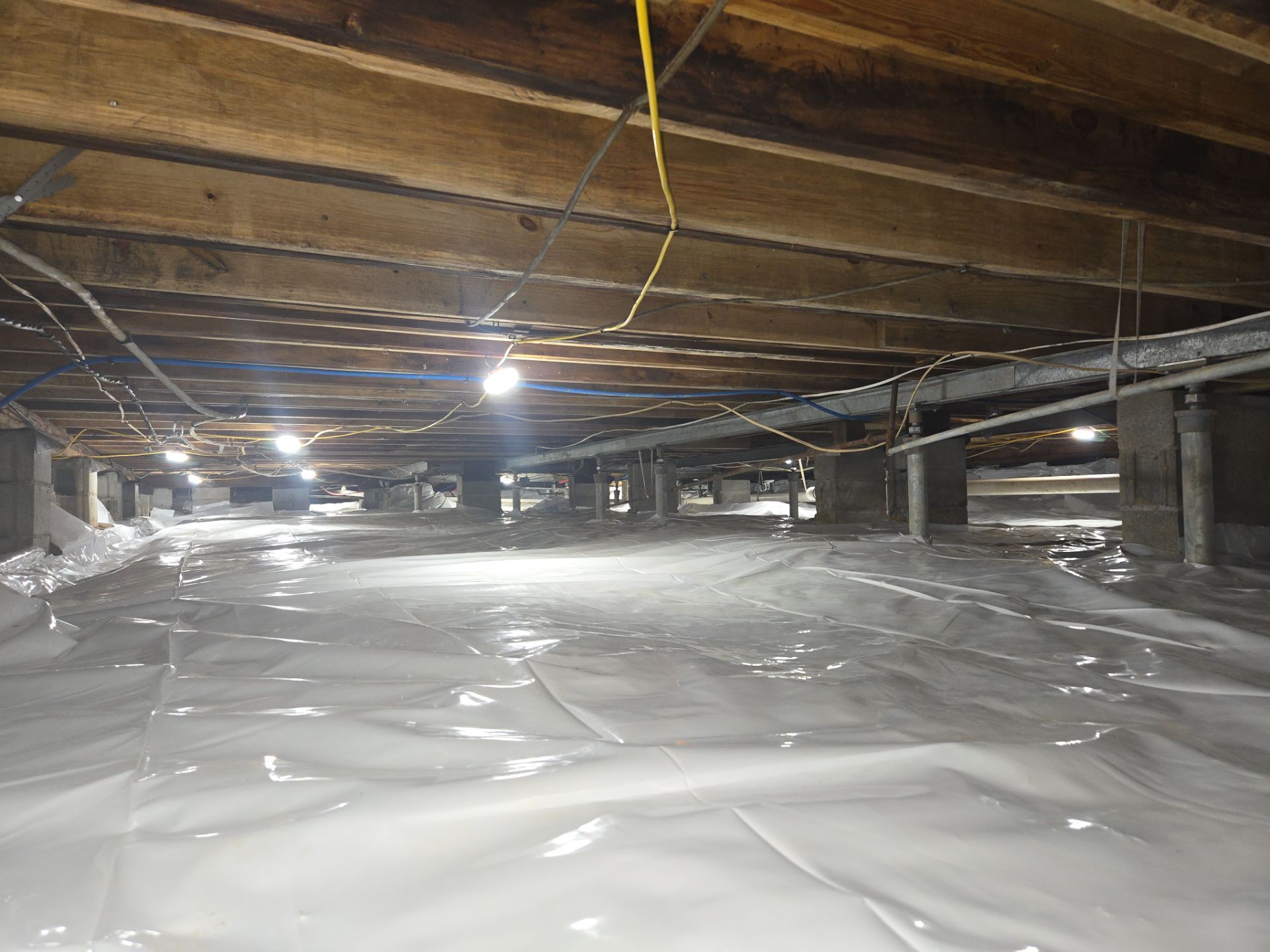
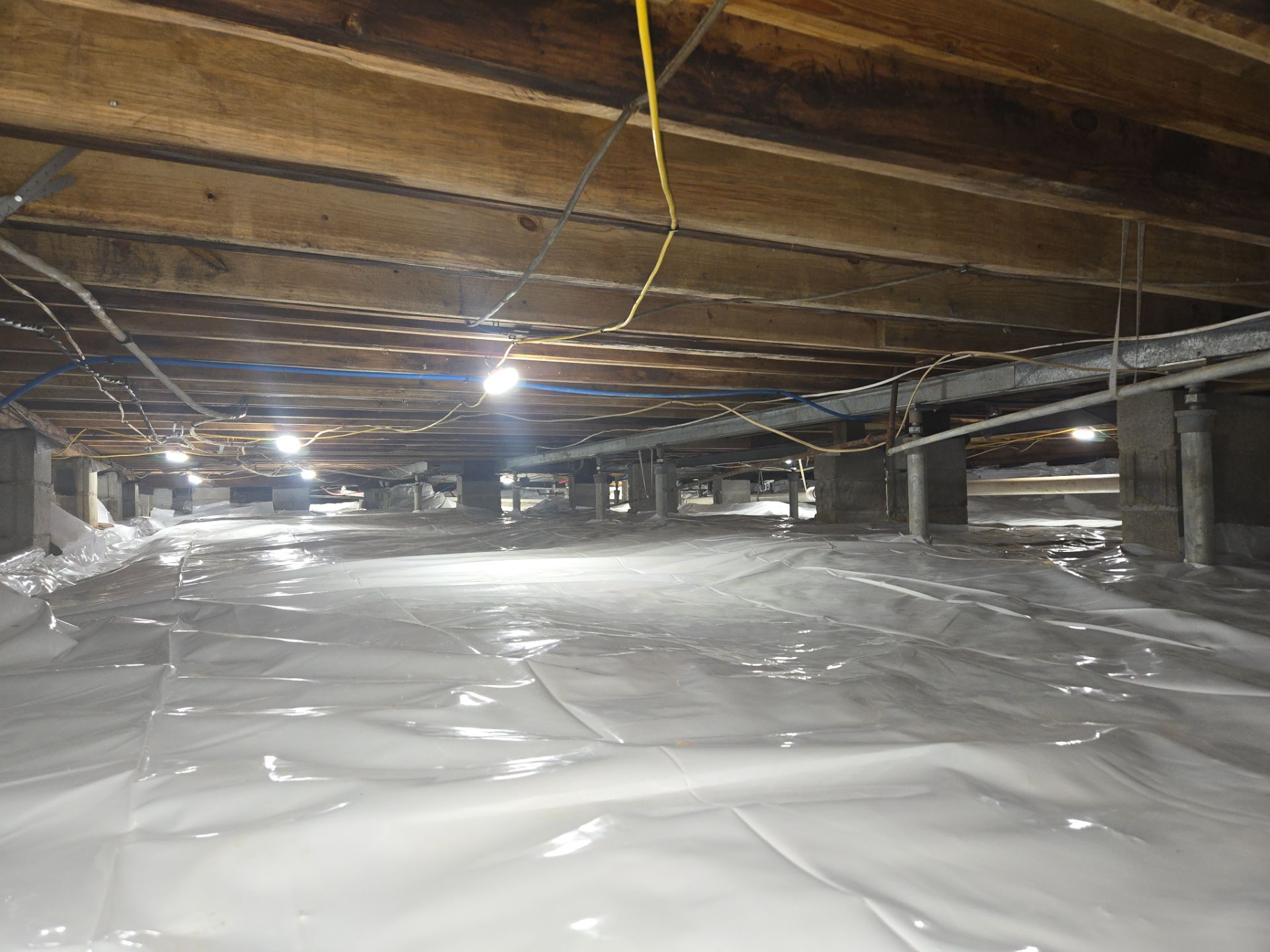
Crawl space encapsulation involves sealing the crawl space to reduce moisture, control humidity, and protect the structure beneath the home. This typically includes installing a vapor barrier, sealing vents, and managing air movement.
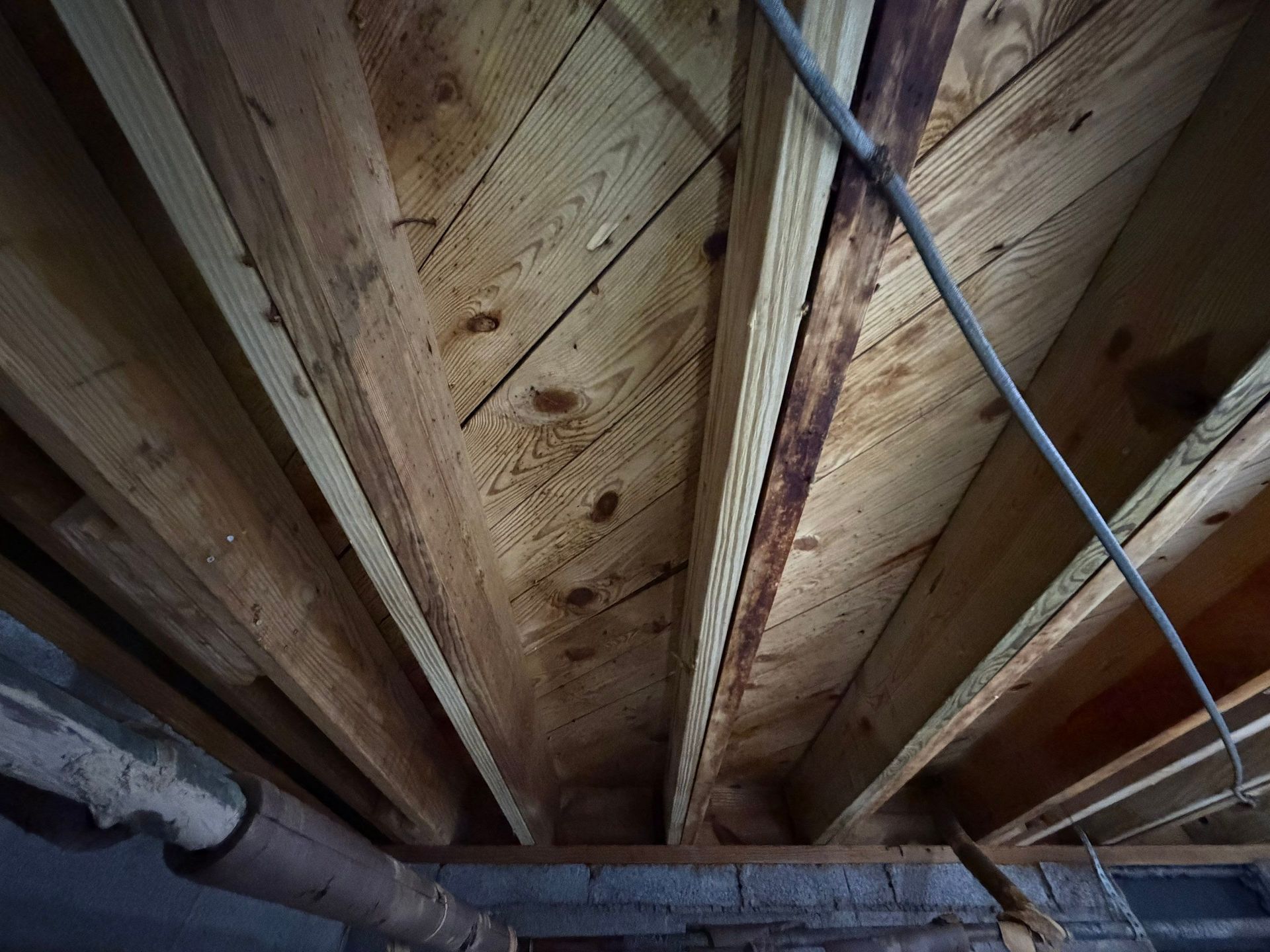
Encapsulation is used to create a controlled environment in the crawl space. When installed correctly, it helps prevent mold growth, wood damage, and ongoing moisture problems.
When Is Crawl Space Encapsulation Needed?
Encapsulation is most effective when crawl space moisture is caused by humid air intrusion and ground moisture. In Coastal Virginia, this is often related to condensation and high humidity during warmer months.
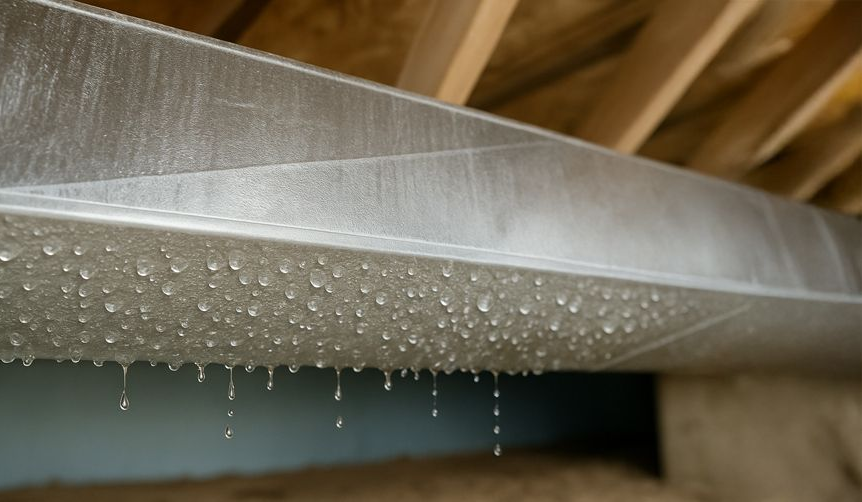
Homes with persistent humidity, condensation on ductwork, or ongoing moisture buildup may benefit from encapsulation. However, these conditions must be properly evaluated before installation.
Why Do Some Crawl Space Encapsulations Fail?
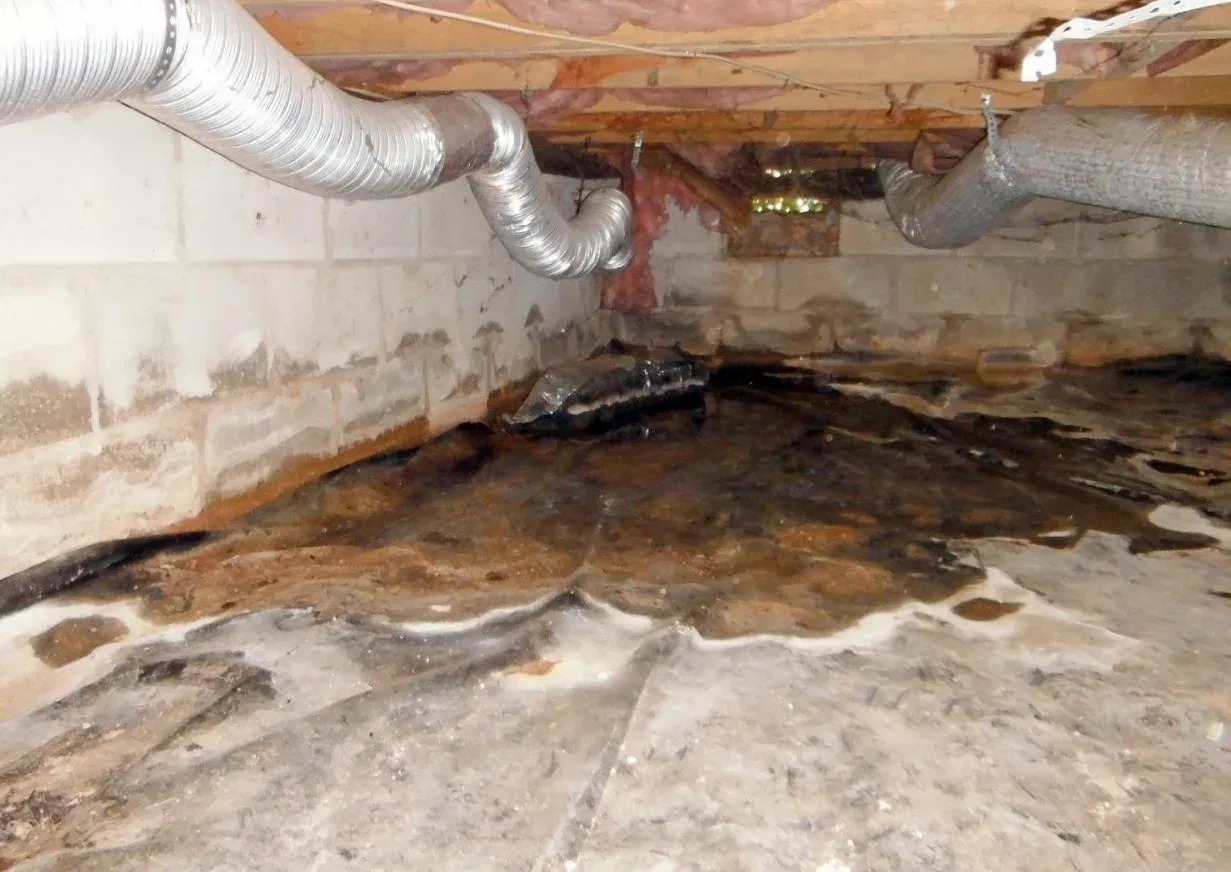
Encapsulation systems are often installed without addressing drainage or water intrusion problems. If standing water or groundwater issues are present, sealing the crawl space will not solve the problem.
Encapsulation can also fail if humidity is not properly controlled. Without the right combination of moisture control methods, encapsulated crawl spaces can still develop mold and moisture issues over time.
What Is Our Crawl Space Encapsulation Method?
We install crawl space encapsulation systems based on the specific conditions of the home. Our process starts with evaluating moisture sources, drainage conditions, and air movement.
Encapsulation is only recommended after water intrusion and drainage issues are addressed. This ensures the system works as intended and provides long-term moisture control.
How Do We Install Crawl Space Encapsulation Systems?
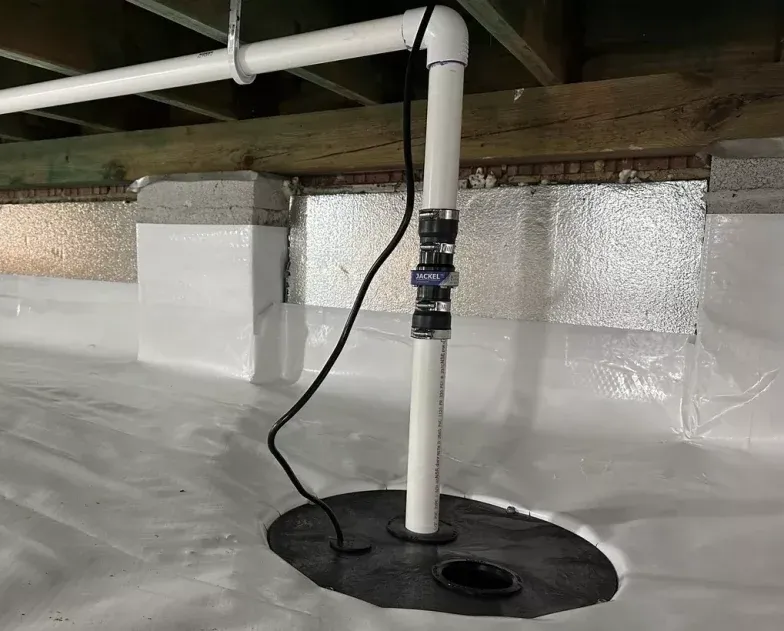
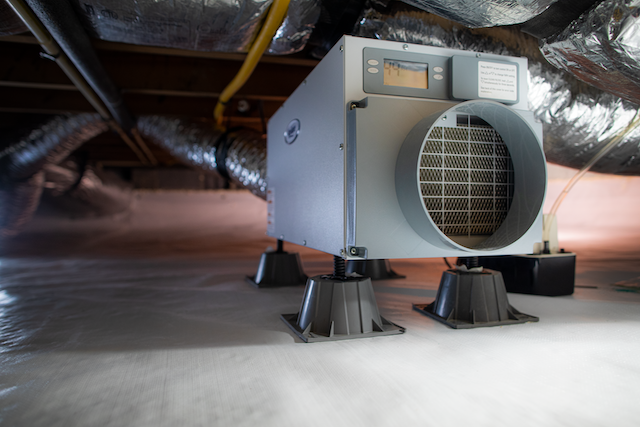
Our encapsulation systems include installing a durable vapor barrier across the crawl space floor and sealing vents to prevent humid air intrusion. We also integrate humidity control using dehumidifiers to maintain stable conditions.
When needed, encapsulation is combined with drainage systems to manage water and protect the crawl space environment. This creates a dry, controlled space that supports long-term structural health.
What Happens During A Crawl Space Inspection?
The first step in determining if encapsulation is appropriate is a crawl space inspection. This allows us to evaluate moisture conditions, drainage, and overall crawl space performance.
We perform contractor-led inspections focused on diagnosing moisture and determining the correct solution. You will receive a clear explanation of whether encapsulation is needed and how it should be installed.
Why Do Homeowners Choose Patriot Crawl Space Repairs?
Homeowners choose our company because we specialize in crawl space encapsulation system design, moisture management, and long-term crawl space performance for Hampton Roads homes. Our company evaluates groundwater conditions, humidity exposure, drainage performance, inspectability, and long-term maintenance considerations before recommending encapsulation systems beneath the home
As crawl space building science and risk management experts, we design encapsulation systems around long-term durability, moisture control, groundwater behavior, and the environmental conditions affecting coastal Virginia crawl spaces.
Crawl Space Encapsulation & Moisture Management Experts
In this video, Robbie McCarty explains how crawl space encapsulation systems are designed to manage humidity, moisture intrusion, and long-term crawl space performance beneath Hampton Roads homes.
Frequently Asked Questions
What is crawl space encapsulation?
Crawl space encapsulation is a moisture-control system that typically includes a vapor barrier, sealed vents, and a dehumidifier to help reduce moisture and humidity under the home.
Does every home need a full encapsulation?
No. Some crawl spaces benefit from full encapsulation, while others may be better served with drainage improvements, a properly installed vapor barrier, and targeted moisture control. The right solution depends on the home, site conditions, and how water is entering the crawl space.
Will encapsulation stop standing water?
Not by itself. If groundwater or drainage issues are present, the water problem usually needs to be corrected first with drainage systems, sump pumps, grading improvements, or other water-management solutions. Encapsulation is not designed to hold back active flooding or groundwater intrusion.
Does encapsulation help with mold and musty odors?
It can. By reducing moisture and humidity levels, encapsulation systems often help improve mold conditions and musty smells. However, existing mold contamination and moisture damage may still need to be properly cleaned or repaired first.
Can a crawl space still have moisture issues after full Encapsulations?
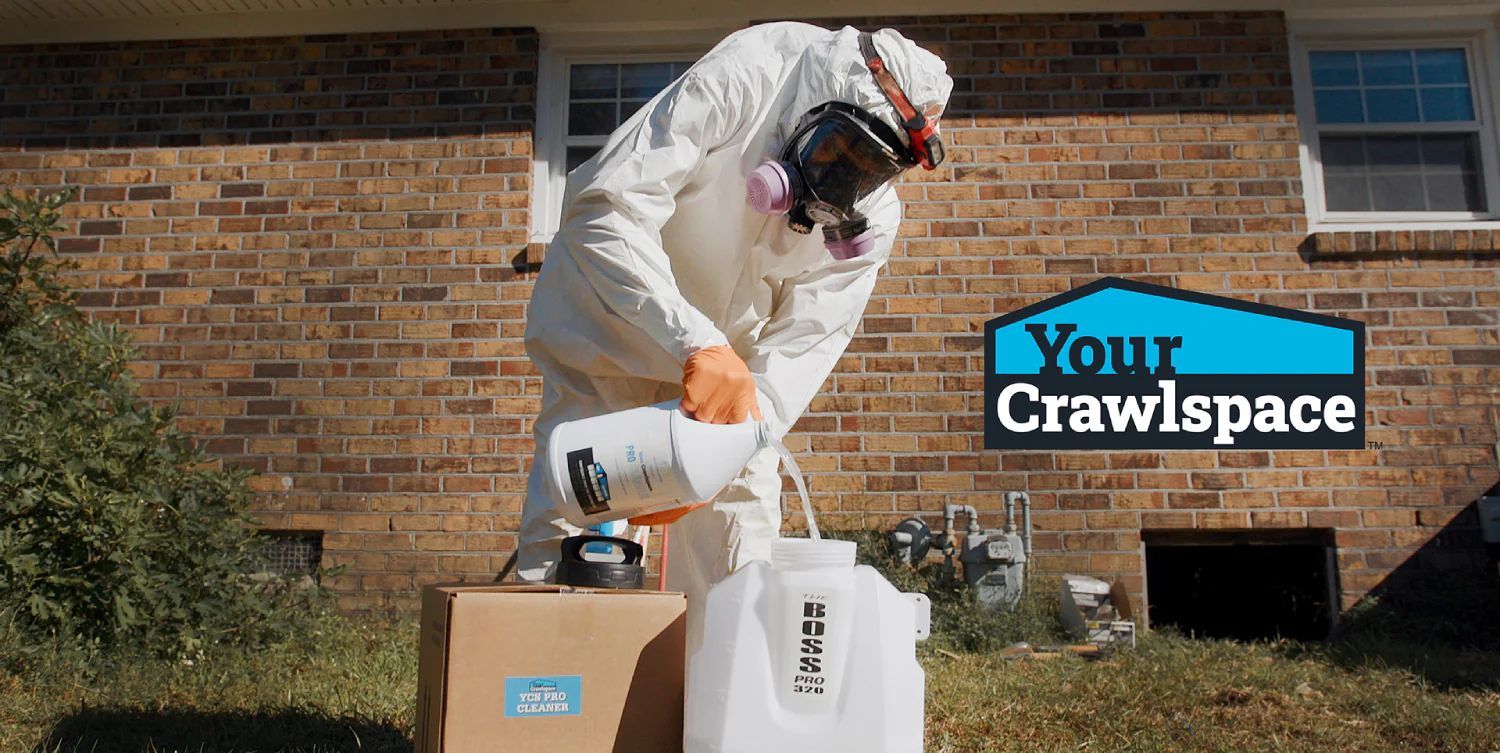
Yes. Poor installation, drainage failures, plumbing leaks, groundwater intrusion, or damaged liners can still create moisture issues even in encapsulated crawl spaces. That is why drainage and moisture diagnosis are so important before sealing the crawl space.
Is a fully wall sealed encapsulation always best?
Not necessarily. In some homes — especially in flatter coastal areas with water intrusion concerns — a pinned vapor barrier with proper drainage and dehumidification may make more practical long-term sense than fully sealing plastic up foundation walls. The best system should fit the actual conditions of the crawl space instead of using the same approach on every home.
How does the process work?
Every crawl space encapsulation starts with a proper diagnosis. Here's what to expect when you contact Patriot Crawl Space Repairs.
Step 1 — Schedule a Free Inspection
Call us at (757) 960-3231 or submit a request online. We'll schedule a time that works for you, usually within a few days.
Step 2 — Owner-Led Crawl Space Evaluation - Owner Robbie McCarty personally inspects your crawl space. He evaluates drainage conditions, water entry points, moisture levels, structural damage, and overall crawl space performance. No salespeople. No commissioned reps.
Step 3 — Photos, Findings, and a Clear Plan - You receive photos of what we found, a written explanation of the problem, and an itemized scope of work with pricing. We explain what needs to be fixed, why, and in what order — so you can make an informed decision.
Step 4 — No Pressure
We don't push same-day decisions. You get time to review the plan, ask questions, and decide what's right for your home. Financing is available through Acorn Financial if needed.
Step 5 — Professional Repair by Our Crew
All work is performed by our own background-checked employees — not subcontractors. We handle drainage installation, moisture control, and any structural repairs as a licensed Class A contractor.